Market Trend: Why Trampoline Parks Keep Growing
In recent years, indoor active entertainment has shifted from “nice-to-have” to a mainstream family lifestyle. Parents want safe, weather-proof places where kids can burn energy, and young adults increasingly choose fitness-based social activities over passive entertainment. That’s why a trampoline park for sale is drawing attention from entrepreneurs, mall operators, and family entertainment investors. Trampoline venues also adapt well to local trends—birthday parties, school group events, corporate team-building, and holiday promotions can all be packaged into profitable programs.
Pricing Factors: What Determines the Budget
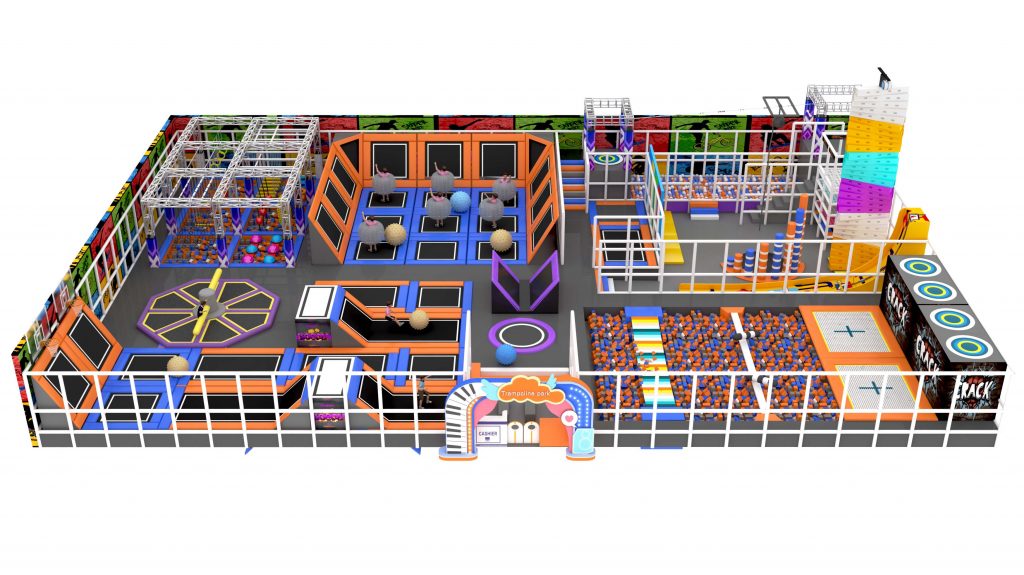
The price of an indoor trampoline business or a trampoline playground setup varies widely, mainly depending on:
- Size and layout complexity (simple open jump zones vs. multi-attraction parks)
- Attraction mix (foam pit, dodgeball court, ninja course, climbing, interactive games)
- Safety and material standards (frame structure, padding thickness, netting, fire ratings)
- Installation and after-sales service
For buyers looking for a trampoline park equipment package, it’s often more cost-efficient to work directly with a professional manufacturer. Miland, a professional amusement equipment manufacturer, typically supports clients with planning, manufacturing, shipping guidance, and installation solutions—helping investors control cost while improving long-term operational stability.
Best Venues: Where a Trampoline Park Performs Well
A trampoline park works best in locations with stable foot traffic and easy access. Common ideal sites include:
- Shopping malls and commercial complexes (natural weekend traffic, strong impulse visits)
- Standalone warehouses or light-industrial buildings (high ceilings, flexible floor plans)
- Mixed-use communities near schools or dense residential areas
- Tourism or family clusters (cinema, bowling, arcade, indoor playground nearby)
Ceiling height matters: higher ceilings enable safer, more exciting experiences and allow additions like high ropes or climbing elements.
Space & Footprint: How Big Should You Build?
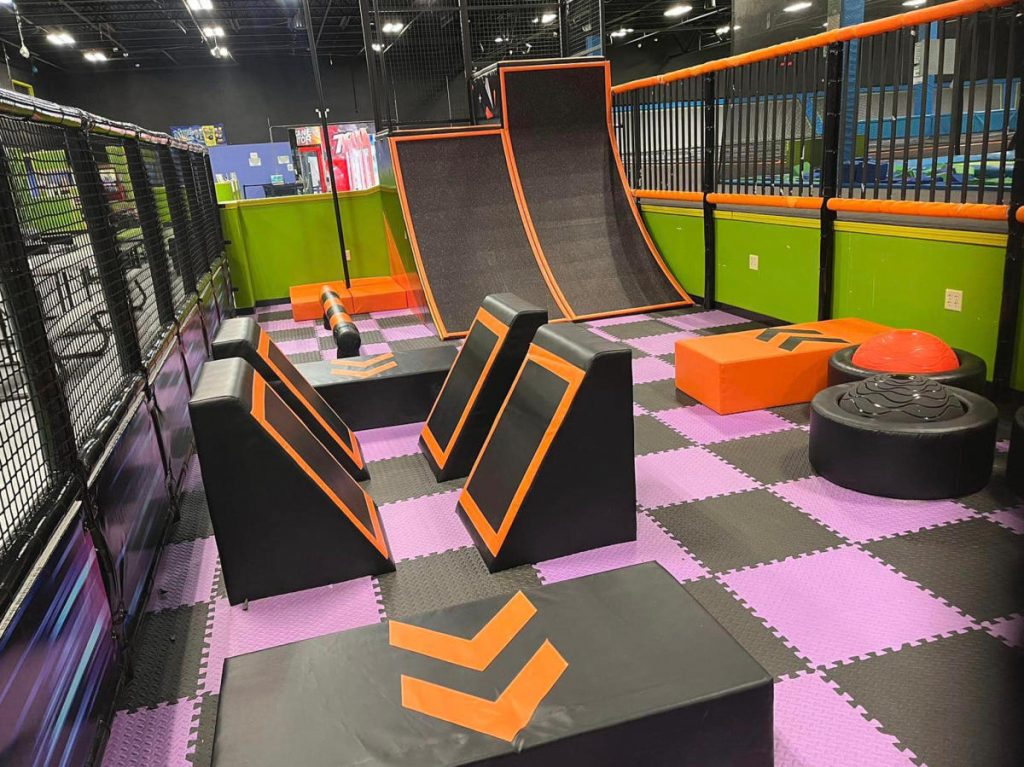
There is no single “best” size, but practical planning usually starts from your target audience and revenue model. A compact trampoline amusement park can fit into smaller urban sites, while large parks aim for multi-zone experiences and higher group capacity. Many operators prefer a scalable plan: start with core jump zones and add modules later (interactive wall games, obstacle course, digital play features).
When considering a trampoline center for sale or planning a new build, pay attention to circulation design—entrance, lockers, viewing area, party rooms, and café seating can strongly affect dwell time and secondary spending.
Profit Potential: Revenue Streams Beyond Tickets
Successful parks rarely rely only on entry tickets. Strong operators focus on: memberships, party packages, group bookings, coaching classes, branded merchandise, and snack/beverage sales. A thoughtful attraction mix also improves repeat visits, which is critical for stable monthly revenue.
Conclusion: Build with a Long-Term Partner
If you are evaluating a trampoline park investment, look beyond the initial quote. Design efficiency, safety compliance, visitor flow, and after-sales support decide whether the project performs over years. Partnering with an experienced supplier like Miland helps you turn an exciting concept into a durable, profitable indoor destination.
Leave a Reply